
A stable print process
is not built around one machine,
one department or
one control point.
It is built by making every part of the process work together.
The goal is simple: keep the process moving, make problems visible and react before instability becomes normal.

Material
Right material. Right condition.
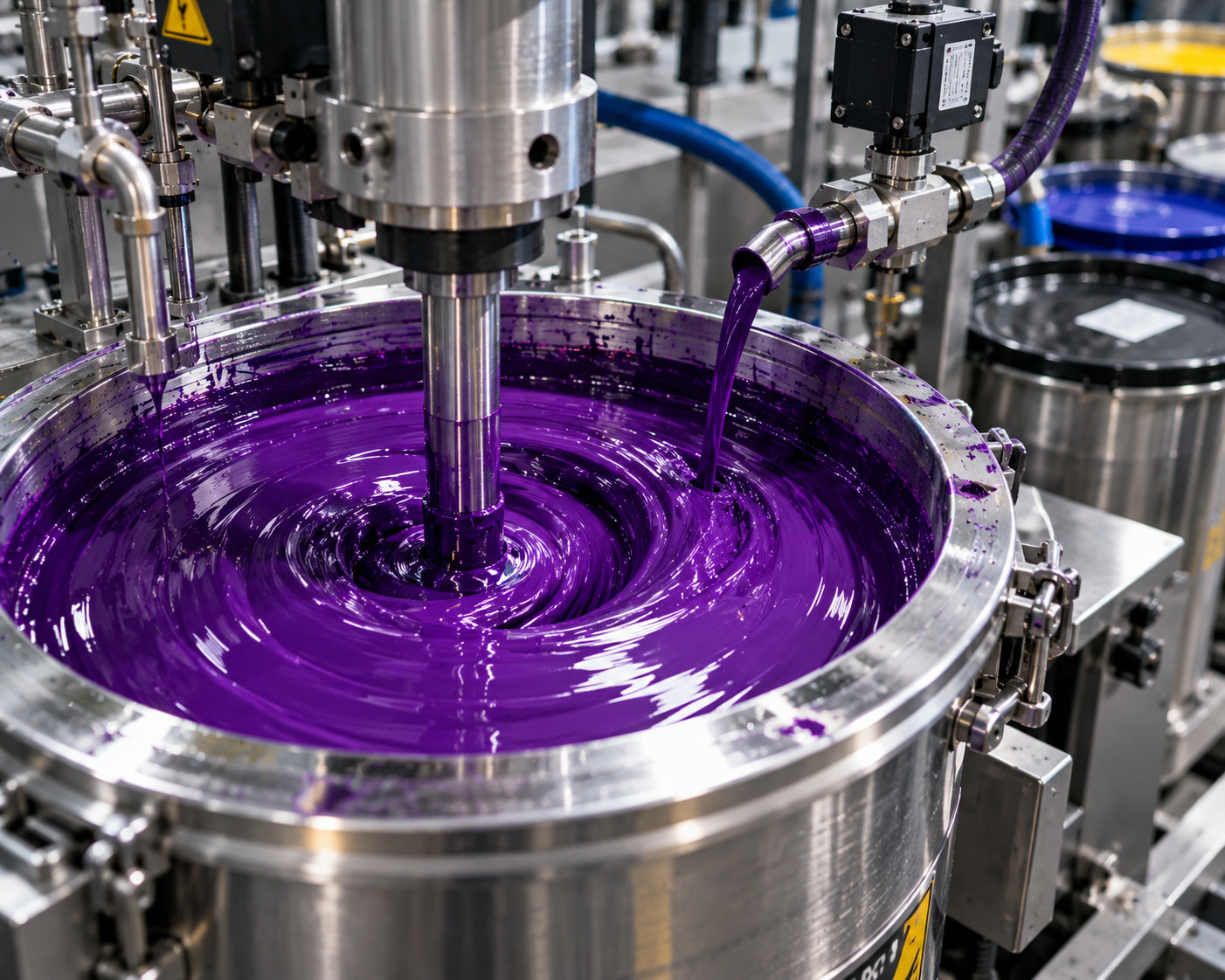
A stable process starts before the machine starts. Material must arrive complete, correct and ready for use. If the input is unstable, damaged or outside the required condition, every step that follows becomes harder to control.
Method
Clear. Repeatable. Practical.
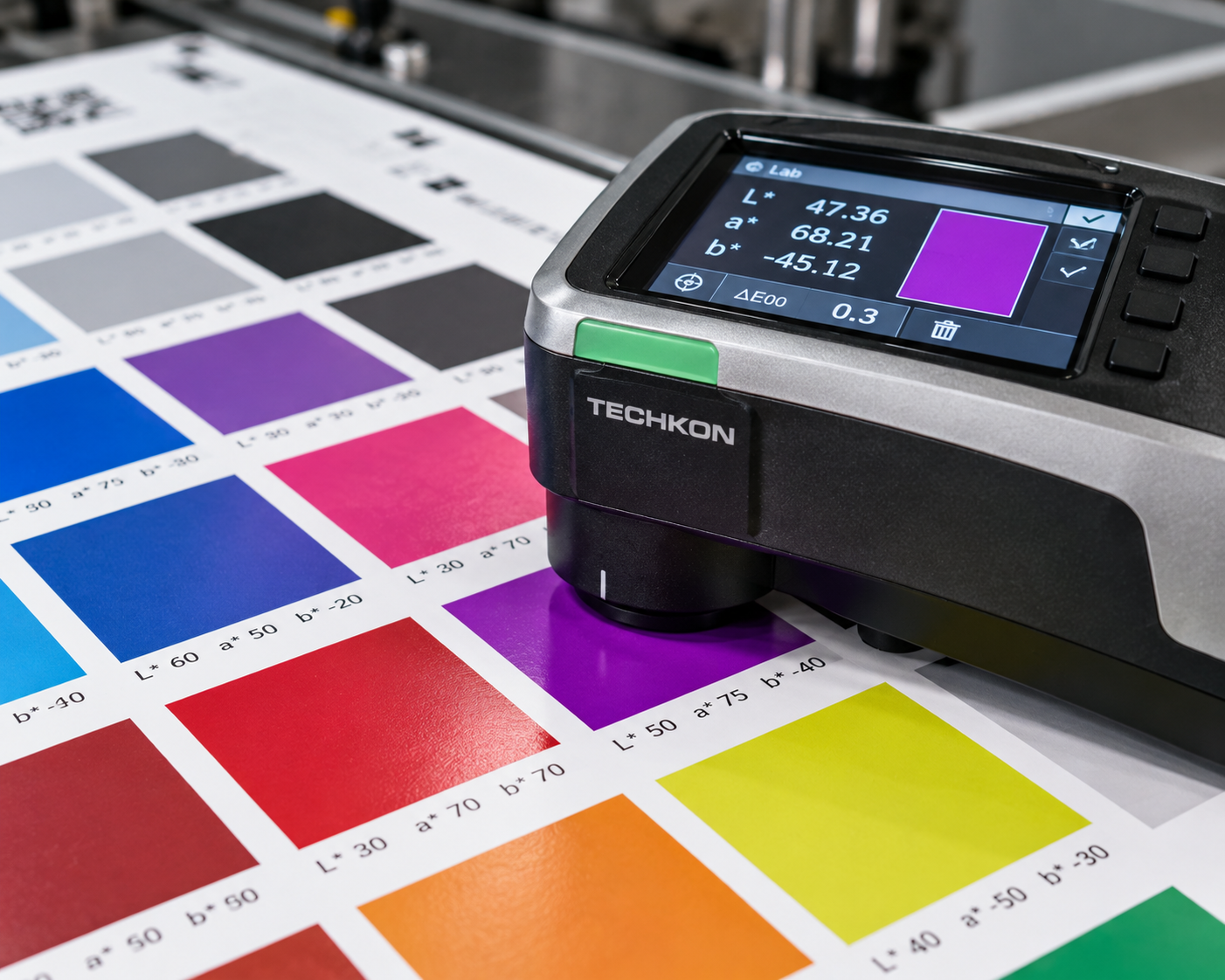
A stable process needs a clear way of working. The method must be easy to understand, practical to follow and repeatable under real production conditions. If the standard exists only on paper, people will return to habits and workarounds.
Information
Right signal. Right place. Right time.
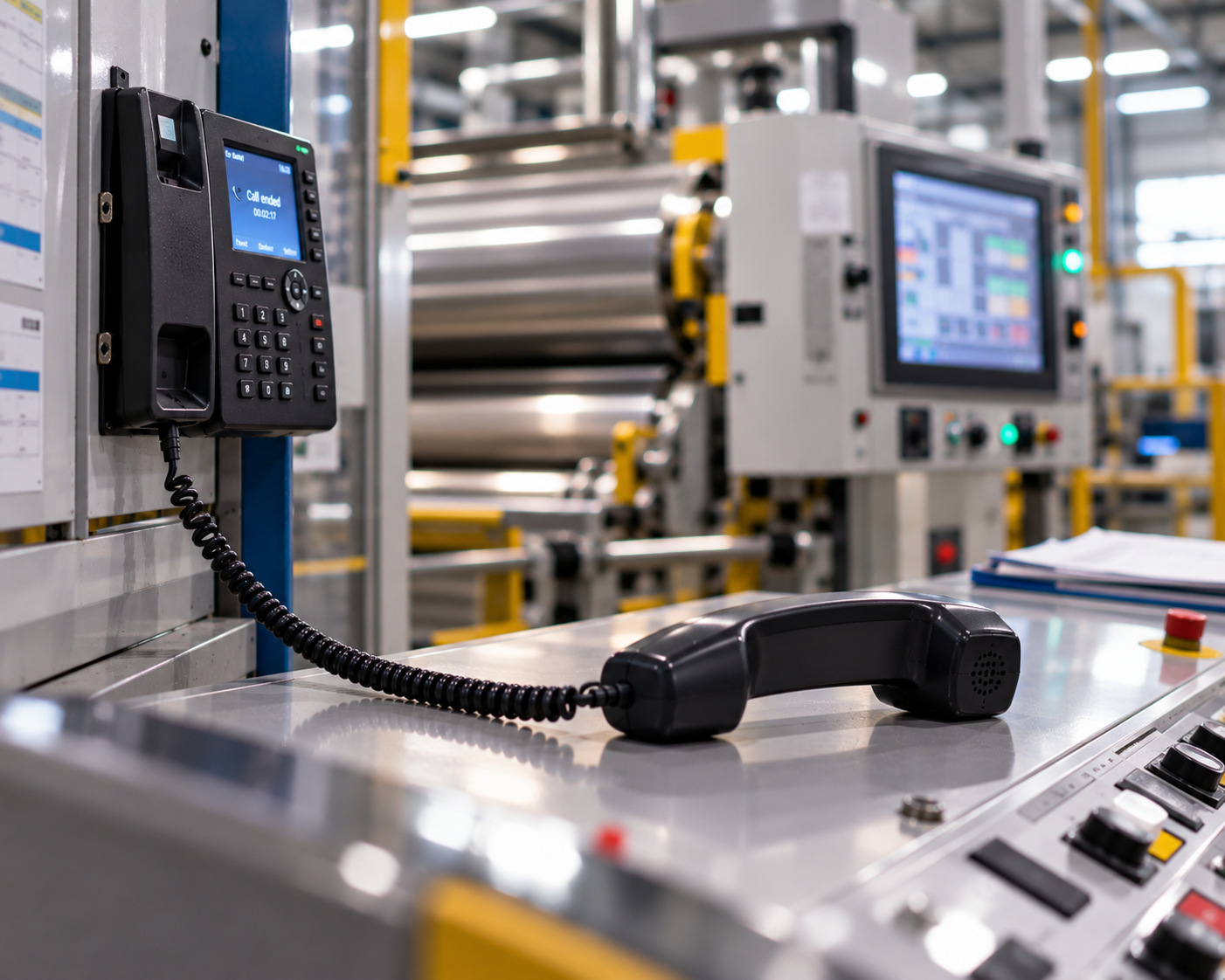
A stable process depends on information moving as reliably as material. The signal must be clear, relevant and available where the decision is made. If information arrives too late, is incomplete or requires interpretation, the process slows down and variability starts to grow.

Decision
Fast reaction. Clear responsibility.
A stable process needs decisions to happen close to where problems appear. People must know when to react, what they can decide and when an issue needs to move further. If responsibility is unclear, problems wait, information travels and time is lost.
Machine
Stable settings. Reliable condition.
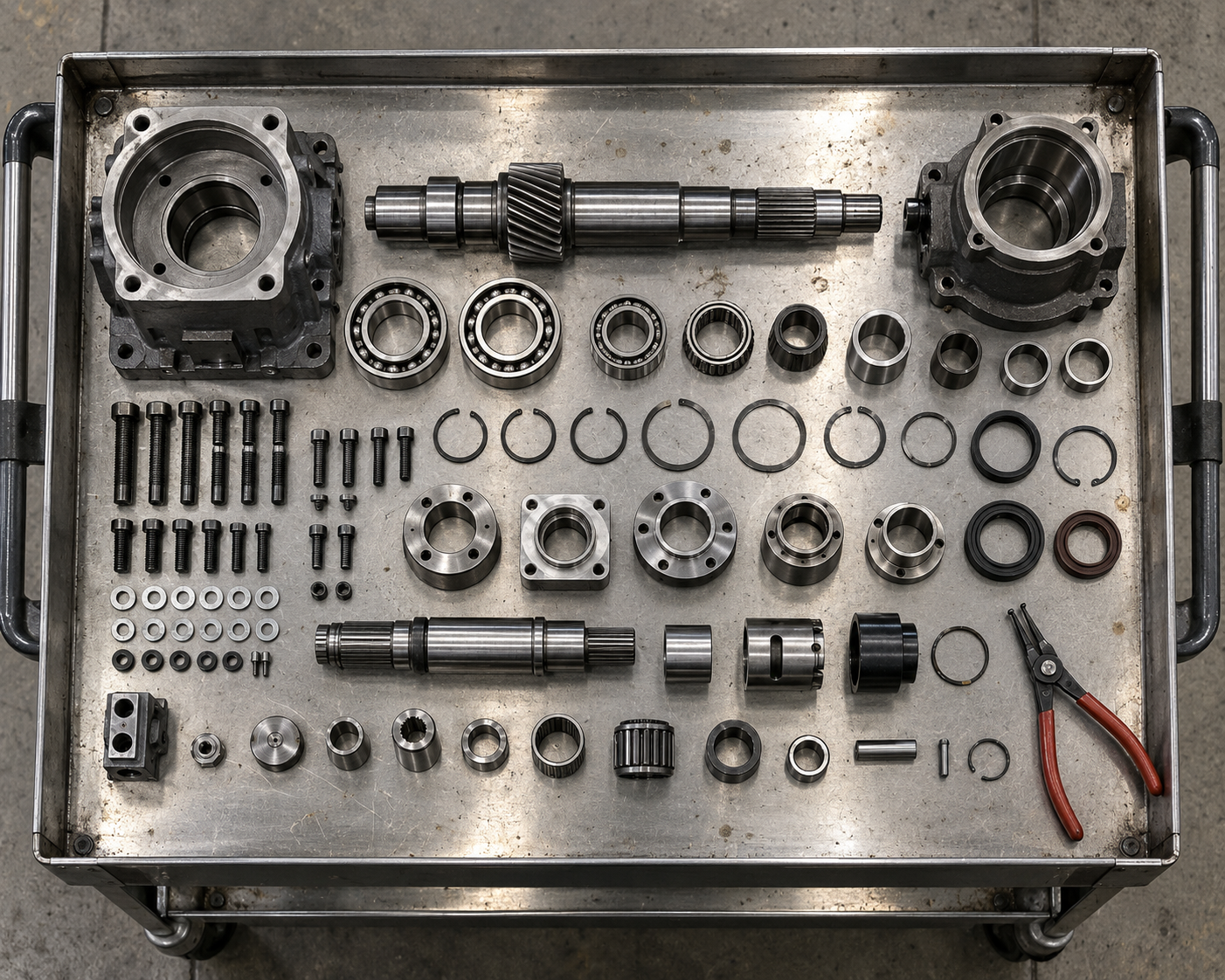
A stable process needs equipment that behaves predictably. Settings must be controlled, machine condition must be known and recurring technical problems must not become part of normal production. If the machine introduces variability, every other control becomes harder.
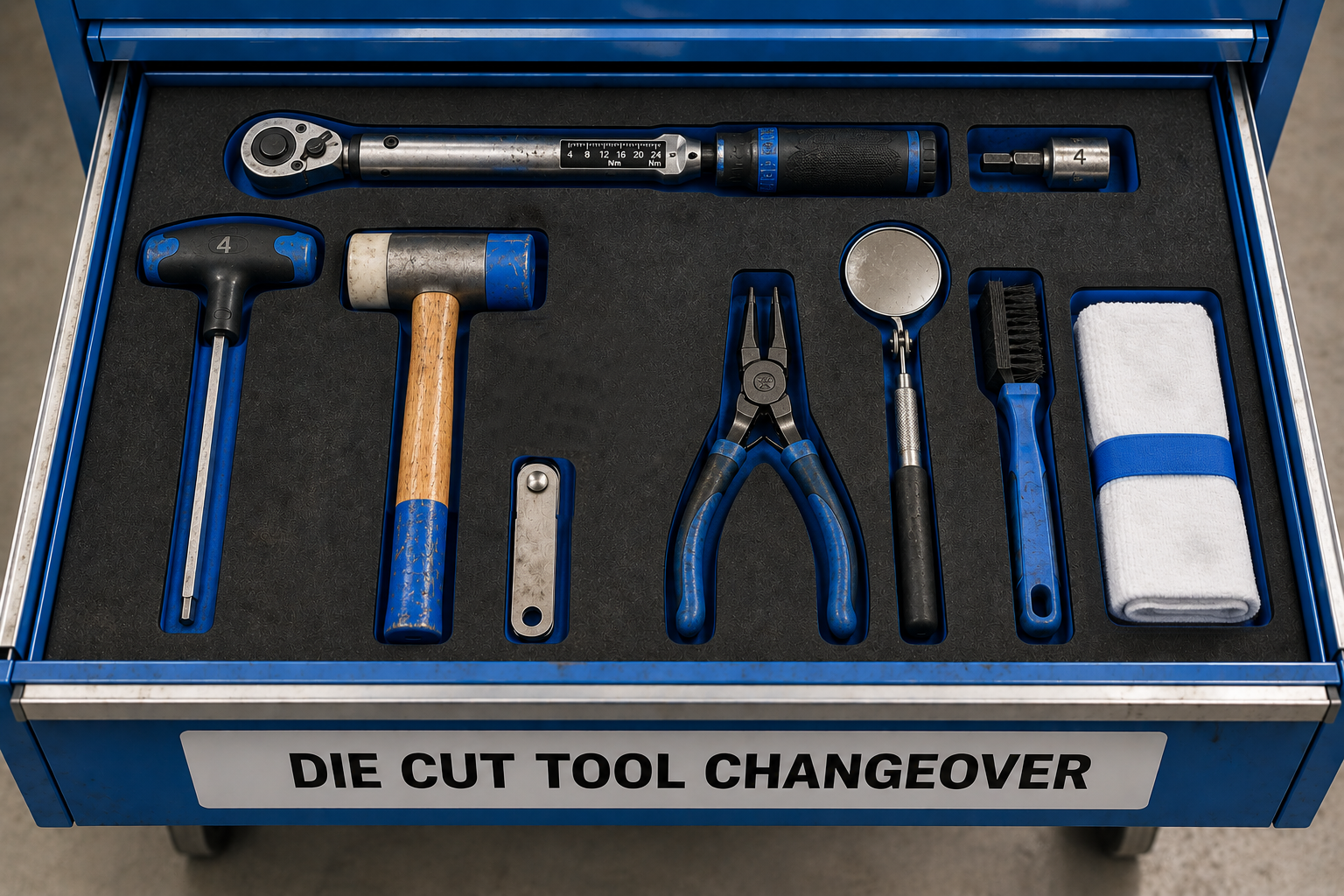
Quality
Prevention before problems grow.
A stable process does not rely on finding defects at the end. Quality must be built into the process through clear conditions, early signals and simple reaction rules. If problems are detected only after value has already been added, the cost has already grown.
See the process.
Change the result.
Improvement starts where problems become visible and action becomes normal.
LET'S TALK →