
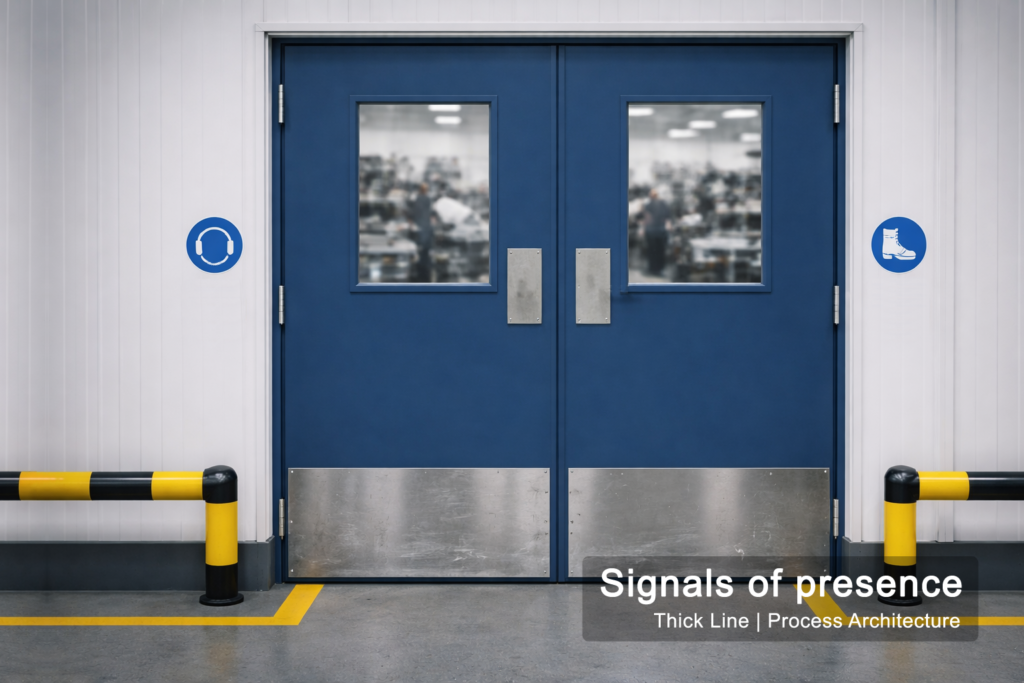
Process Control Starts on the Floor
I step onto the shop floor.
Not to check people.
To see the process.
My presence is a signal.
For the operator.
For the leader.
For the system.
I am not interested in opinions.
I am interested in facts.
I compare what „should happen” with what actually happens.
I look at the flow.
Material.
Information.
Decision.
If any of them lose rhythm, the process starts to break down.
I do not need a report to see it.
I see it in movement.
Or in the lack of it.
Starting conditions
I stop at the inputs to operations.
I do not look at the result.
I look at the starting conditions.
Material must be complete.
Without defects.
Prepared for the operation.
If it is not, it should not move further.
If it does, the system is not working.
Not the operator.
The system.
The standard path should allow only one type of input:
compliant material.
Everything else should be stopped earlier.
If I see defective material moving forward, I get one piece of information:
the control point is not working.
Or it does not exist.
I look at signals.
Goal.
What to do.
How to do it.
When.
Where.
If I have to look for them, the system has just sent a failure signal.
A good system does not require interpretation.
It leads.
The operator should not think.
The operator should execute.
I look for one thing.
Can the process defend itself.
Or does it require constant supervision.
If the standard works only when someone is standing next to it, it is not a standard.
It is a reminder.
I do not fix.
I do not interfere.
I collect facts.
Because without facts every decision becomes an opinion.
And opinion does not regulate a process.

Understand hands and minds
I move on.
I do not ask.
I observe.
How the work is actually done.
Not in the instruction.
Not in the procedure.
In the hands.
I see movement.
I see stops.
I see hesitation points.
These are the points where the process starts to break down.
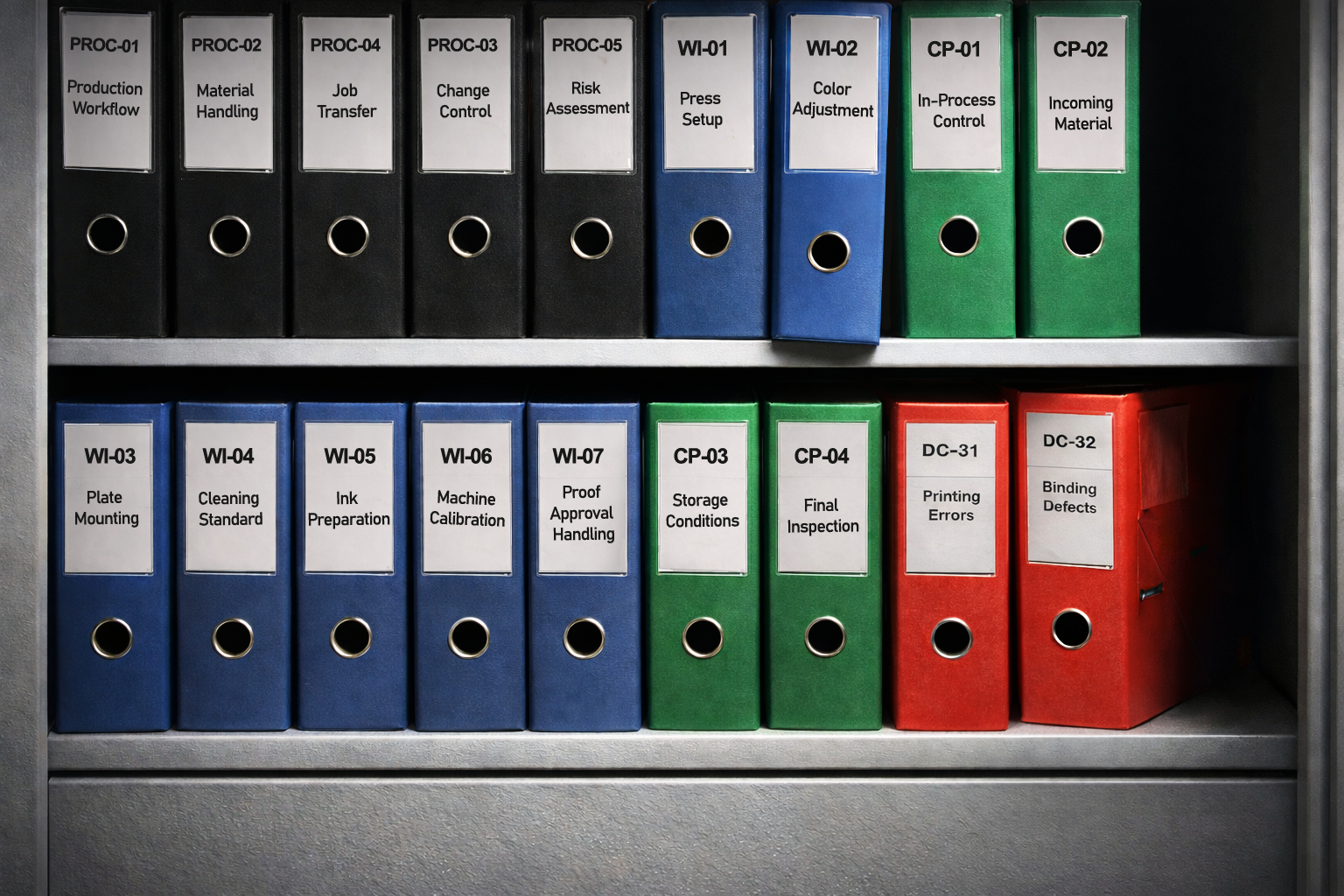
I look at instructions.
Are they where they are needed.
Are they visible.
Are they used.
If an operator has to look for an instruction, it does not exist.
If an instruction is long, it does not exist.
A good instruction is not a document.
It is a signal.
Short.
Clear.
At the point of use.
Sometimes one word is enough.
I look at what the operator is searching for.
Material.
Tools.
Information.
Decision.
If something is being searched for, it means the process did not provide it.
I am not interested in whether the operator manages.
I am interested in why they have to.
I look at ergonomics.
Not whether gloves are worn.
Whether the work is safe.
Whether the movement is natural.
Whether bending is required.
Whether workarounds are needed.
If an operation requires “workarounds”, it is not stable.
And an unstable operation always generates cost.
I filter out emotions.
I keep facts.
Material.
Method.
Conditions.
I am not interested in who is right.
I am interested in what is happening.
Because that is the only thing that can be changed.
I do not teach.
I do not correct.
Not yet.
First I need to understand.
Because if I do not understand the process, every decision becomes interference.
And interference without understanding always breaks the system.
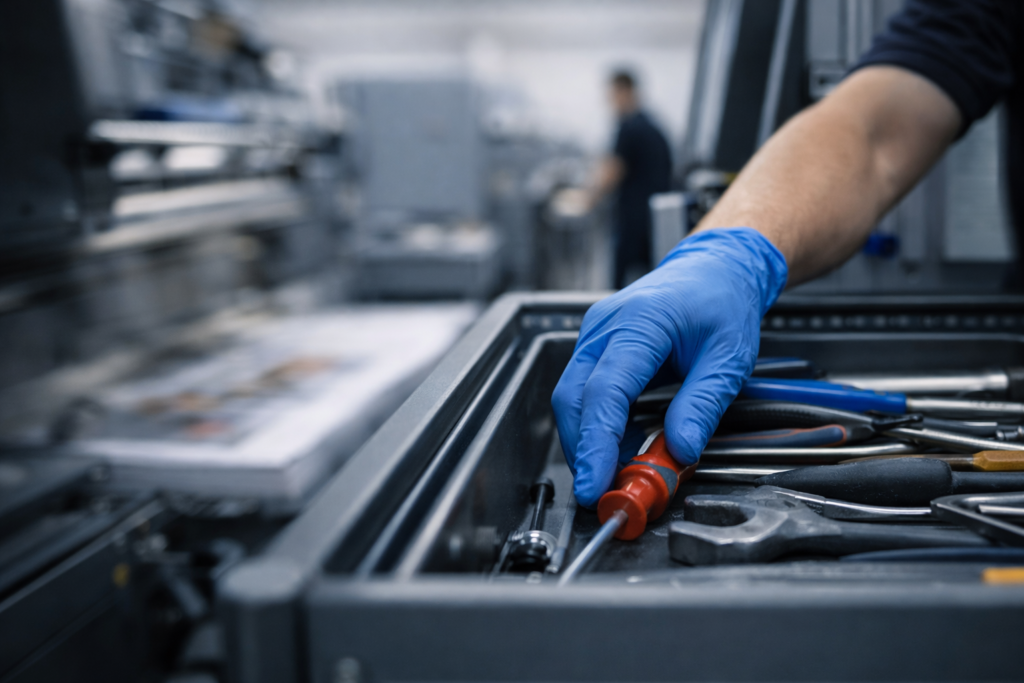
Points where rhythm is lost
I stop where the process loses time.
I do not ask “what happened”.
I look at what repeats.
I split every operation into two parts:
what adds value
and what takes it away
I do not need a sheet.
I see it in movement.
Or in the lack of it.
I look at downtime.
Not the recorded one.
The real one.
Waiting for material.
Waiting for a decision.
Waiting for information.
If someone is waiting, the process is not working.
Simple.
I look at data.
Is it there.
Does it make sense.
Is it used.
The measurement system must work for the operator.
Not for the report.
If entering data requires effort, it will disappear.
Workarounds will appear.
And with them, facts will disappear.
I do not make decisions immediately.
First I collect evidence.
Then I set a goal.
Clear.
Specific.
Visible. I do not tell people what to do.
I ask what they see.
And what, in their opinion, does not work.
I move decisions down.
As close as possible to where the problem appears.
That is where the context is.
That is where the pace is.
That is where reality is.
I set the frame.
I do not execute the operation.
If a decision is wrong, it is still my decision.
I do not look for blame.
I look for the mechanism that led to it.
Because a wrong decision is information.
No decision is cost.
I control one thing.
Problem analysis must return to the floor.
It does not stay in the meeting room.
It does not stay in Excel.
It goes back to where the problem occurred.
To the people who see it every day.
Because a process is not fixed with a report.
A process is fixed where it happens.
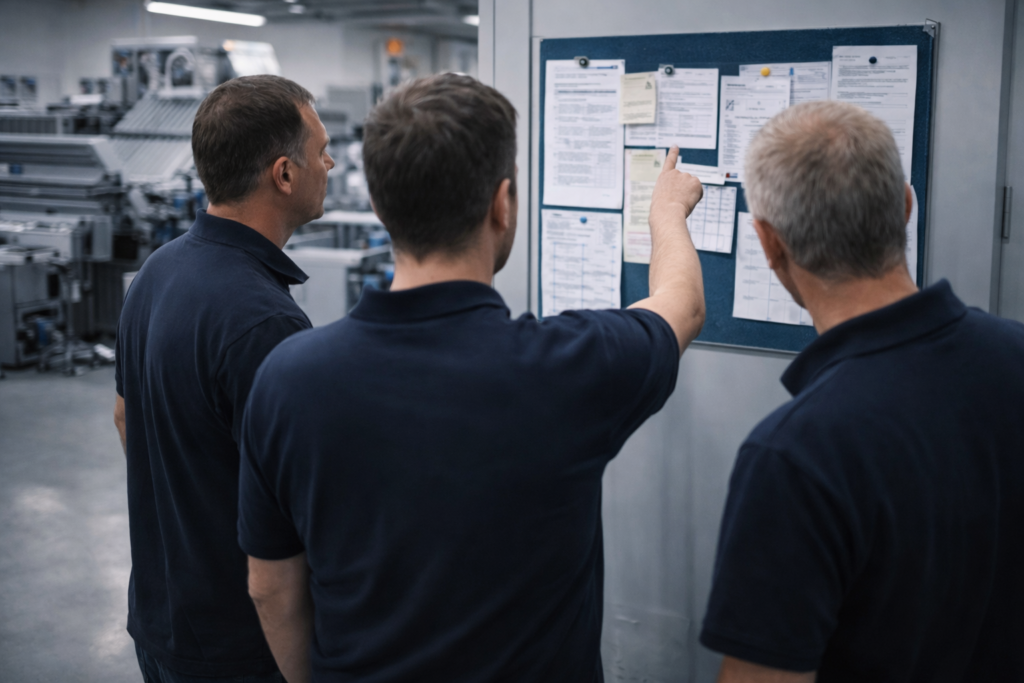
How the system learns to work
I return to the process.
This time with one intention.
To check whether the system can learn.
I am not here to tell people how to do things better.
People on the floor know more about their operation than I do.
My role is different.
I provide tools.
I check whether the change was understood.
Not generally.
Individually.
Everyone works slightly differently.
Everyone understands differently.
If one person does not understand, the system does not work.
I use simple methods.
JBS.
One Point Lesson.
Loud Confirmation.
Not to “train”.
To check whether the standard is alive.
A standard is not a document.
A standard is a way of working.
If it has to be explained every time, it does not exist.
Agreement does not matter.
I am interested in execution.
Does the operation look the same every time.
Repeatability.
That is the only test.
Every change must make sense.
Not for me.
For the operator.
If it does not make sense, the old way will return.
Always.
I do not implement everything at once.
The system does not absorb overload.
I introduce one change.
I check it.
I stabilise it.
Only then do I move forward.
Because process control is not a project.
It is a habit.
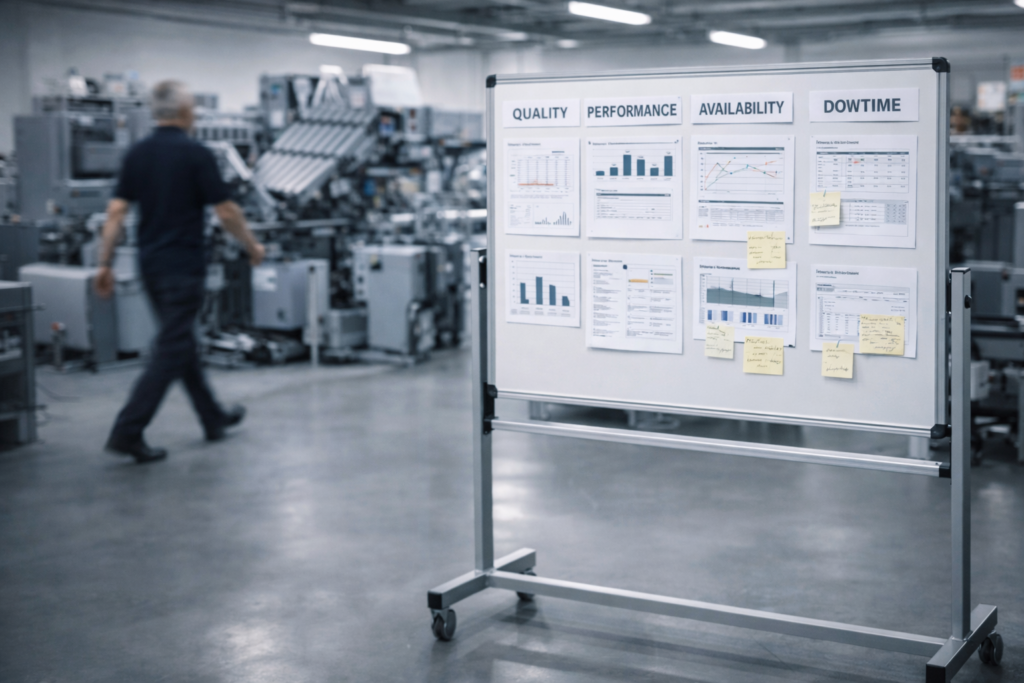
The signal that changes behaviour
I had data.
At least that is how it looked.
Start of operation.
End of operation.
Breaks.
OEE at an average level.
Everything “measured”.
And yet time was still disappearing.
I did not start with the system.
I started with people.
I gathered the operators.
I said it directly:
we are losing time
I asked for one thing.
Think about where.
A week later I spoke with each person individually.
I collect causes.
Not from the report.
From their heads.
From experience.
I make a list.
I take it back to the floor.
We verify it together.
We add.
We remove.
We simplify.
I build a tool.
Simple.
A form.
A list of codes.
Keyboard shortcuts.
Colours. So no one has to think.
I do not want to burden people.
I set one rule.
We record only downtime longer than 15 minutes.
And now the real change begins.
Not in the system.
In behaviour.
The operator has a choice:
enter the downtime
or not have it
They do not have to do anything if they keep control of time.
If they do not, a record appears.
And a record means a conversation.
Based on facts.
The system starts working on its own.
Without pressure.
Without control.
The effect.
OEE +12%.
Not because we introduced new KPIs.
Not because someone worked faster.
Because the system started sending the right signal.
I did not push people.
I set the conditions.
The process did the rest.
This is what control really is.
Not through supervision.
Through influence.
In the end, one question remains.
When you walk onto the floor.
Do you observe the process?
Does the system start changing under your presence?
LEAVE A COMMENT